



Polishing Quality Standards
Polishing quality standards are essential in metal manufacturing, especially in industries such as sanitary ware, automotive parts, and precision hardware. These standards define the surface quality, consistency, and performance of finished products.
- Surface Roughness (Ra)
Surface roughness is one of the most important indicators of polishing quality.
- Measured in micrometers (μm)
- Lower Ra value = smoother surface
Common Ra Levels:
- Ra 3.2 μm → Rough grinding
- Ra 1.6 μm → Fine grinding
- Ra 0.8 μm → Fine polishing
- Ra ≤0.4 μm → Mirror finishing
Surface roughness directly affects appearance and coating performance.
- ISO Standards for Polishing
International standards such as International Organization for Standardization (ISO) provide guidelines for surface finishing and quality control.
- ISO surface texture standards
- ISO quality management systems
- ISO inspection requirements
Ensures global quality consistency.
- Visual & Appearance Standards
In industries like sanitary ware, visual quality is critical:
- No scratches
- No dents
- Uniform gloss
High-end markets require strict visual inspection.
- Thickness & Coating Compatibility
Polishing affects coating performance:
- Smooth surface improves adhesion
- Reduces peeling risk
- Ensures uniform coating
Essential for chrome plating and finishing.
- Industry-Specific Standards
Different industries have different requirements:
Sanitary Ware
- High gloss finish
- Mirror-level polishing
Automotive Parts
- Functional surface quality
- Wear resistance
Hardware Products
- Balanced quality and cost
- Inspection Methods
Polishing quality is verified through:
- Surface roughness tester
- Visual inspection
- Gloss measurement
Ensures compliance with standards.
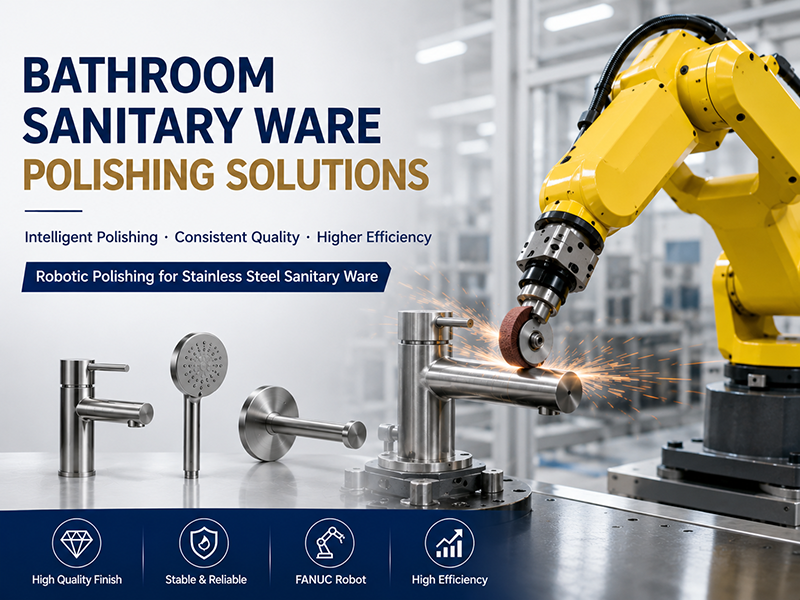
- Role of Automation in Quality Standards
Automated polishing systems help meet strict standards:
- Consistent pressure control
- Repeatable processes
- Reduced human error
Ideal for achieving ISO-level quality.
- How to Meet Polishing Standards
To meet international polishing standards:
- Use advanced polishing equipment
- Optimize process parameters
- Select suitable abrasives
- Implement quality inspection
- Conclusion
Polishing quality standards are essential for ensuring product performance, appearance, and market competitiveness. By adopting automated polishing solutions and strict quality control, manufacturers can meet global standards and deliver high-quality products.
If you are looking for high-performance automatic polishing machines or robotic grinding systems that meet international quality standards, we provide customized solutions for your production needs.